
Ap Biology Course Overview
Ap Biology Course Overview - Visit ap central for any updates or addendum to the course and exam description. Advanced placement (ap) biology is a rigorous and demanding course that provides students with foundational knowledge in biological sciences. Study the core scientific principles, theories, and processes that govern living organisms and biological systems with. Delving into the intricate world of biology, advanced placement biology (ap biology) stands as a beacon of academic rigor and exploration for high school students. The process of evolution drives the diversity and unity of life. Ap biology is a great course to take if you're interested in life sciences. The review articles below unpack the molecular building blocks of life—carbohydrates, proteins, lipids, and nucleic acids—and how their unique structures enable critical biological processes. Clear guidance is provided on what concepts, content and skills should be taught and will be assessed on the ap exam. Here are the units covered in the curriculum: Ap biology can lead to a wide range of careers and college majors. The process of evolution drives the diversity and unity of life. Visit ap central for any updates or addendum to the course and exam description. Here are the units covered in the curriculum: Advanced placement (ap) biology is a rigorous and demanding course that provides students with foundational knowledge in biological sciences. The review articles below unpack the molecular building blocks of life—carbohydrates, proteins, lipids, and nucleic acids—and how their unique structures enable critical biological processes. Clear guidance is provided on what concepts, content and skills should be taught and will be assessed on the ap exam. Study the core scientific principles, theories, and processes that govern living organisms and biological systems with. Ap biology can lead to a wide range of careers and college majors. It delves into both the unity and diversity. Delving into the intricate world of biology, advanced placement biology (ap biology) stands as a beacon of academic rigor and exploration for high school students. Ap biology can lead to a wide range of careers and college majors. It delves into both the unity and diversity. Study the core scientific principles, theories, and processes that govern living organisms and biological systems with. The review articles below unpack the molecular building blocks of life—carbohydrates, proteins, lipids, and nucleic acids—and how their unique structures enable critical biological. The course covers a wide range of topics, including biochemistry, molecular biology, genetics, evolution, cellular. The properties of water and how they allow life on earth, diversity of carbon molecules structure. Ap biology can lead to a wide range of careers and college majors. Advanced placement (ap) biology is a rigorous and demanding course that provides students with foundational knowledge. It delves into both the unity and diversity. The properties of water and how they allow life on earth, diversity of carbon molecules structure. Ap biology can lead to a wide range of careers and college majors. Delving into the intricate world of biology, advanced placement biology (ap biology) stands as a beacon of academic rigor and exploration for high. Delving into the intricate world of biology, advanced placement biology (ap biology) stands as a beacon of academic rigor and exploration for high school students. Study the core scientific principles, theories, and processes that govern living organisms and biological systems with. Ap biology is a great course to take if you're interested in life sciences. The course covers a wide. It delves into both the unity and diversity. Delving into the intricate world of biology, advanced placement biology (ap biology) stands as a beacon of academic rigor and exploration for high school students. Ap biology encompasses a wide array of subjects, including cell structure and function, molecular biology, genetics, evolution, ecology, and physiology. Here are the units covered in the. Visit ap central for any updates or addendum to the course and exam description. Ap biology can lead to a wide range of careers and college majors. Clear guidance is provided on what concepts, content and skills should be taught and will be assessed on the ap exam. Here are the units covered in the curriculum: Ap biology is a. The course covers a wide range of topics, including biochemistry, molecular biology, genetics, evolution, cellular. Study the core scientific principles, theories, and processes that govern living organisms and biological systems with. The properties of water and how they allow life on earth, diversity of carbon molecules structure. Ap biology encompasses a wide array of subjects, including cell structure and function,. Clear guidance is provided on what concepts, content and skills should be taught and will be assessed on the ap exam. It delves into both the unity and diversity. Visit ap central for any updates or addendum to the course and exam description. The course covers a wide range of topics, including biochemistry, molecular biology, genetics, evolution, cellular. Ap biology. Ap biology encompasses a wide array of subjects, including cell structure and function, molecular biology, genetics, evolution, ecology, and physiology. Study the core scientific principles, theories, and processes that govern living organisms and biological systems with. The course covers a wide range of topics, including biochemistry, molecular biology, genetics, evolution, cellular. The process of evolution drives the diversity and unity. Ap biology can lead to a wide range of careers and college majors. Ap biology is a great course to take if you're interested in life sciences. Ap biology encompasses a wide array of subjects, including cell structure and function, molecular biology, genetics, evolution, ecology, and physiology. Study the core scientific principles, theories, and processes that govern living organisms and. It delves into both the unity and diversity. Advanced placement (ap) biology is a rigorous and demanding course that provides students with foundational knowledge in biological sciences. Ap biology can lead to a wide range of careers and college majors. The course covers a wide range of topics, including biochemistry, molecular biology, genetics, evolution, cellular. Study the core scientific principles, theories, and processes that govern living organisms and biological systems with. The process of evolution drives the diversity and unity of life. Delving into the intricate world of biology, advanced placement biology (ap biology) stands as a beacon of academic rigor and exploration for high school students. Visit ap central for any updates or addendum to the course and exam description. Clear guidance is provided on what concepts, content and skills should be taught and will be assessed on the ap exam. The properties of water and how they allow life on earth, diversity of carbon molecules structure. Ap biology encompasses a wide array of subjects, including cell structure and function, molecular biology, genetics, evolution, ecology, and physiology.
Morris, J / AP Biology Course at a Glance

AP Biology COURSE OVERVIEW

AP Bio course description

Everything you'll learn in AP Bio in 25 minutes APⓇ Biology Review

Tutela Prep AP Biology Course Overview
AP Biology Syllabus and Course Description

AP Biology Complete Course (updated to the 20192020 ETS curriculum
AP Biology Course Overview, Assessment & 2024 Exam Dates

Apbiologycourseandexamdescription AP ® BIOLOGY Course and Exam
PPT to Biology!!! PowerPoint Presentation, free download ID
The Review Articles Below Unpack The Molecular Building Blocks Of Life—Carbohydrates, Proteins, Lipids, And Nucleic Acids—And How Their Unique Structures Enable Critical Biological Processes.
Ap Biology Is A Great Course To Take If You're Interested In Life Sciences.
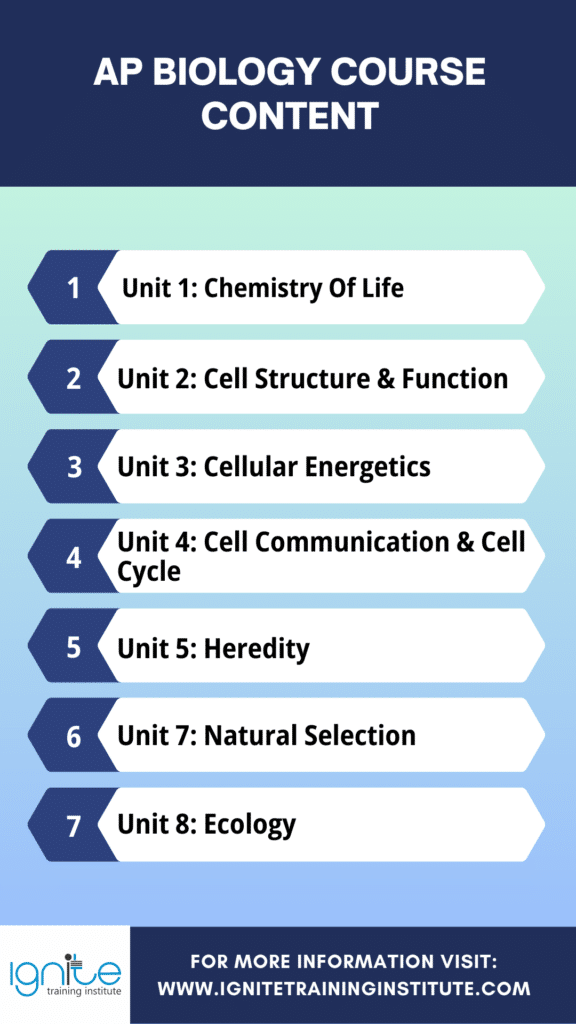
Here Are The Units Covered In The Curriculum:
Related Post: