
Cognitive Science Course
Cognitive Science Course - Students will learn core principles of modern human cognitive neuroscience (e.g., brain structure versus function, connectivity, reuse) and their application to cognition (e.g., action, perception, attention, memory, emotion, language, cognitive control, and consciousness). Three (3) core courses select three. More engaging science enrichment courses! Access to free quality cognitive science education. This course will help students in the behavioral sciences (cognitive science, psychology, linguistics, neuroscience, and related fields) learn how to program experiments and analyze and present data. A new unit in introduction to forensics asks. Learn about cognitive science with courses on edx today. Navigate the complexities of human behavior, contribute to advancements in technology and education, and gain valuable insights into your own mental processes. Last revised 12/16/2024 cognitive science major requirements an overall grade point average of 2.00 (c) is required in the upper division major courses. To address this issue, cognitive science integrates work from at least five disciplines: It emerged in the 1950s as a response to behaviourism, which argued that behaviour is shaped by past experiences and conditioning. They introduce students to the empirical questions, theoretical concepts, and analytical methodologies that led to the emergence of cognitive science as a distinct field of study and continue to drive. Buckle up as we explore the human mind with our list of best free cognitive science courses. Enroll for fall startwasc and wscu accreditedget financial aid In the newly revised inventions in engineering course, students bring fantasy into reality by creating inventions to solve the problems of favorite fictional characters and the real world alike. This course will emphasize interdisciplinary approaches to the study of intelligent systems, both natural and artificial. This course will help students in the behavioral sciences (cognitive science, psychology, linguistics, neuroscience, and related fields) learn how to program experiments and analyze and present data. Brain & cognitive science provides fundamental training in psychology, neuroscience, and computation. It is a flexible, interdisciplinary program for students who plan to pursue technical or professional careers in areas such as intelligent information processing, artificial intelligence,. Connect cognitive science principles and ideas to your own understanding. This course will emphasize interdisciplinary approaches to the study of intelligent systems, both natural and artificial. This course will help students in the behavioral sciences (cognitive science, psychology, linguistics, neuroscience, and related fields) learn how to program experiments and analyze and present data. Lectures and readings will survey research from artificial intelligence, psychology, linguistics, philosophy, and neuroscience, and will cover. In cognitive sciences is structured to provide students with a challenging introduction to the broad field of cognitive sciences that is strongly grounded in theory and an empirical approach emphasizing experimental/computational methods. Cognitive science is the study of how the mind works, drawing on research from psychology, philosophy, linguistics, neuroscience and computer science. Learn about cognitive science with courses on. Cognitive science is the interdisciplinary study of the mind, brain, and intelligent systems, drawing predominantly on research from psychology, philosophy, computer science, linguistics, neuroscience, and anthropology. It emerged in the 1950s as a response to behaviourism, which argued that behaviour is shaped by past experiences and conditioning. They introduce students to the empirical questions, theoretical concepts, and analytical methodologies that. They introduce students to the empirical questions, theoretical concepts, and analytical methodologies that led to the emergence of cognitive science as a distinct field of study and continue to drive. Learn about cognitive science with courses on edx today. Cognitive science synthesizes research from cognitive psychology, computer science, linguistics, neuroscience, and contemporary philosophy. More engaging science enrichment courses! Cognitive science. Access to free quality cognitive science education. Navigate the complexities of human behavior, contribute to advancements in technology and education, and gain valuable insights into your own mental processes. Lectures and readings will survey research from artificial intelligence, psychology, linguistics, philosophy, and neuroscience, and will cover topics such as the nature of knowledge, thinking, remembering, vision, imagery, language, and consciousness.. A new unit in introduction to forensics asks. Students will learn core principles of modern human cognitive neuroscience (e.g., brain structure versus function, connectivity, reuse) and their application to cognition (e.g., action, perception, attention, memory, emotion, language, cognitive control, and consciousness). It is a flexible, interdisciplinary program for students who plan to pursue technical or professional careers in areas such. The two introductory courses in the cognitive science major serve two purposes. They introduce students to the empirical questions, theoretical concepts, and analytical methodologies that led to the emergence of cognitive science as a distinct field of study and continue to drive. Cognitive science is the study of how the mind works, drawing on research from psychology, philosophy, linguistics, neuroscience. This course will emphasize interdisciplinary approaches to the study of intelligent systems, both natural and artificial. This course will examine research investigating the neurological basis of cognition. A new unit in introduction to forensics asks. Certificates are available to validate one’s skills. To see the course offerings for a given academic semester please check out the course catalog or schedule. Students will learn core principles of modern human cognitive neuroscience (e.g., brain structure versus function, connectivity, reuse) and their application to cognition (e.g., action, perception, attention, memory, emotion, language, cognitive control, and consciousness). Learn about cognitive science with courses on edx today. In the newly revised inventions in engineering course, students bring fantasy into reality by creating inventions to solve. The core, laboratory, and elective courses must be taken for a letter grade. The two introductory courses in the cognitive science major serve two purposes. Minding the brain cognitive science professor jim davies along with neuroscience professor kim hellemans interview each other about brain and mind topics related to their backgrounds and. Lectures and readings will survey research from artificial. Discover and synthesize research in various disciplines related to cognitive science (e.g. Brain & cognitive science provides fundamental training in psychology, neuroscience, and computation. It emerged in the 1950s as a response to behaviourism, which argued that behaviour is shaped by past experiences and conditioning. Students will learn core principles of modern human cognitive neuroscience (e.g., brain structure versus function, connectivity, reuse) and their application to cognition (e.g., action, perception, attention, memory, emotion, language, cognitive control, and consciousness). In cognitive sciences is structured to provide students with a challenging introduction to the broad field of cognitive sciences that is strongly grounded in theory and an empirical approach emphasizing experimental/computational methods. Cognitive science synthesizes research from cognitive psychology, computer science, linguistics, neuroscience, and contemporary philosophy. The core, laboratory, and elective courses must be taken for a letter grade. Three (3) core courses select three. To address this issue, cognitive science integrates work from at least five disciplines: This course will examine research investigating the neurological basis of cognition. Navigate the complexities of human behavior, contribute to advancements in technology and education, and gain valuable insights into your own mental processes. Connect cognitive science principles and ideas to your own understanding. Learn about cognitive science with courses on edx today. They introduce students to the empirical questions, theoretical concepts, and analytical methodologies that led to the emergence of cognitive science as a distinct field of study and continue to drive. Cognitive science is the interdisciplinary study of the mind, brain, and intelligent systems, drawing predominantly on research from psychology, philosophy, computer science, linguistics, neuroscience, and anthropology. Last revised 12/16/2024 cognitive science major requirements an overall grade point average of 2.00 (c) is required in the upper division major courses.
Introduction to Cognitive Science By Thad A. Polk, The Great Courses
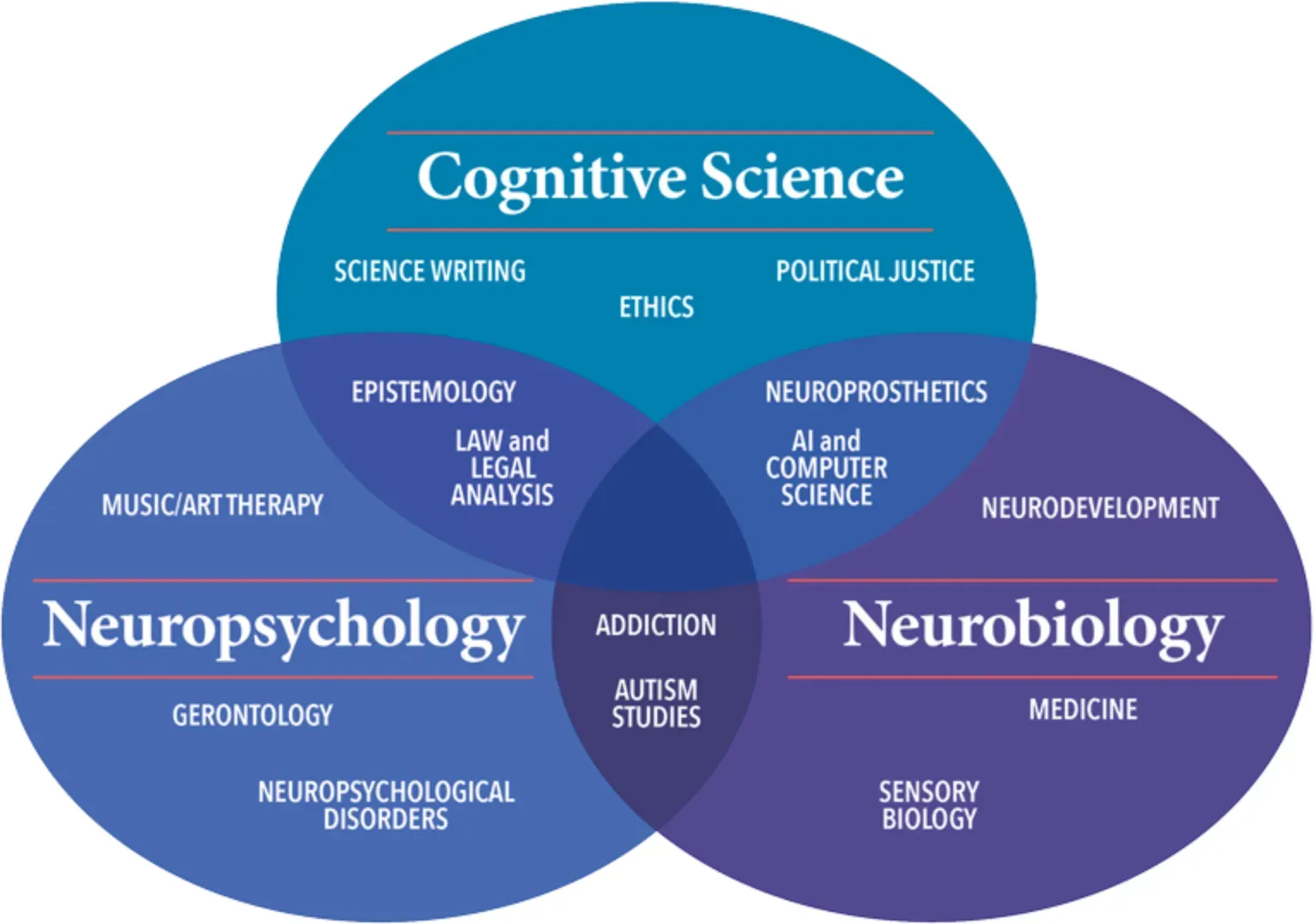
Cognitive Science Understanding the Key Concepts
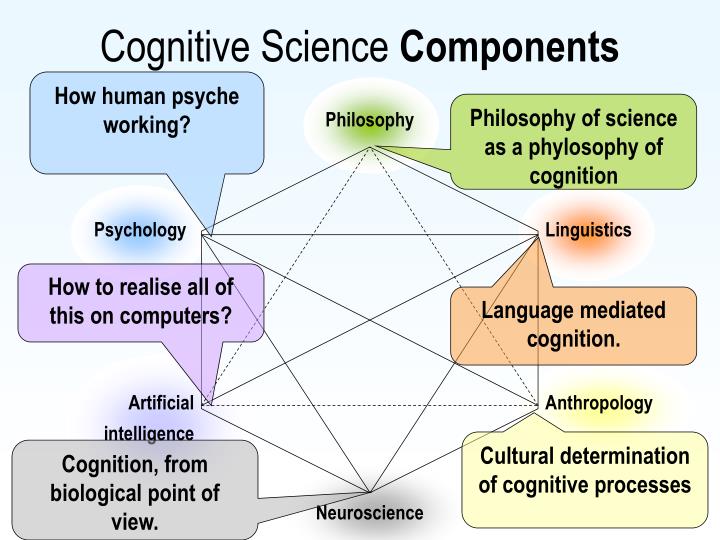
What Is Cognitive Science Baysection
How SGT University Prepares Students for Careers in Cognitive Science
Cog Sci

Cognitive science Engati
SGT University's BSc Cognitive Science Program A Comprehensive Guide
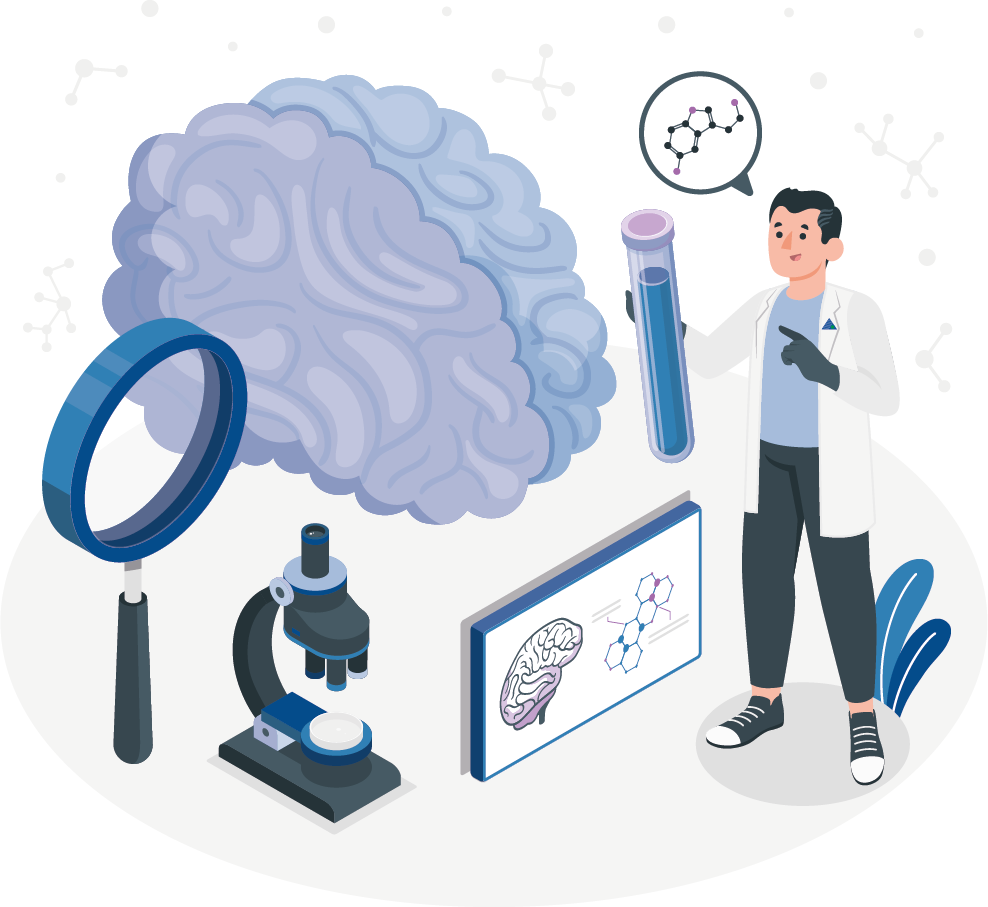
Master's Program In Cognitive Sciences Graduate School of Social Science
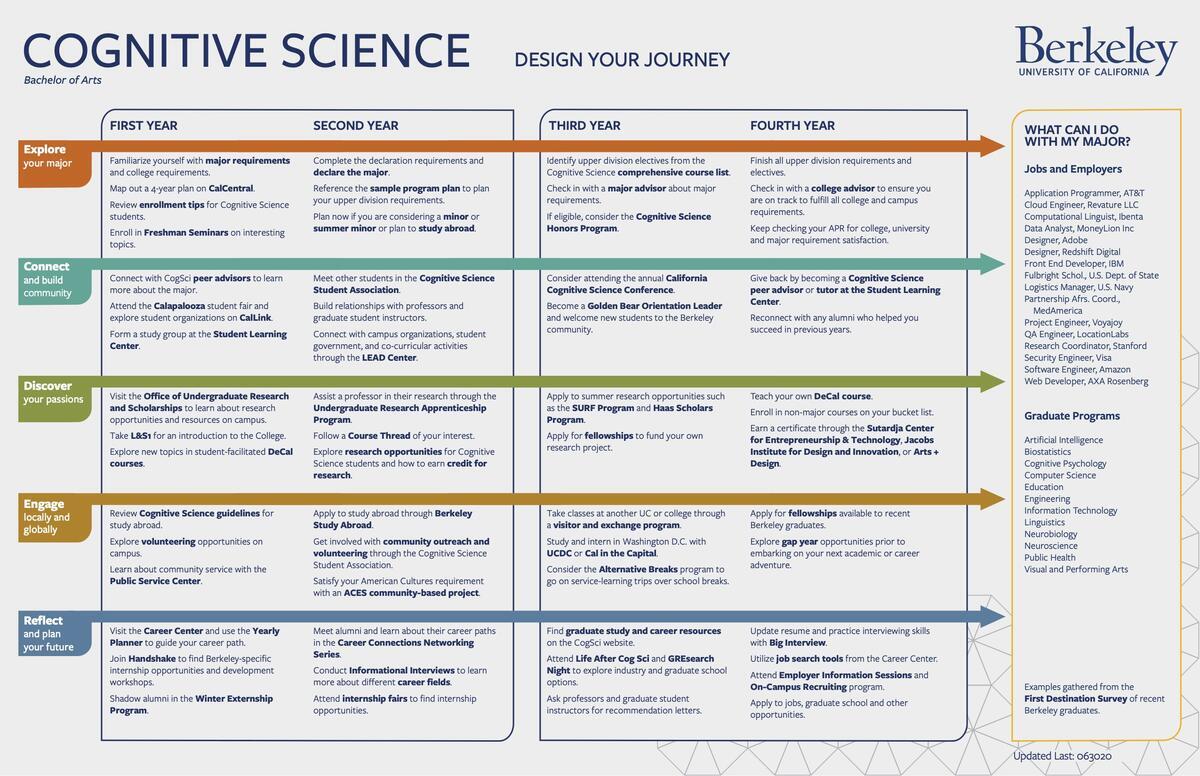
Major Map Cognitive Science
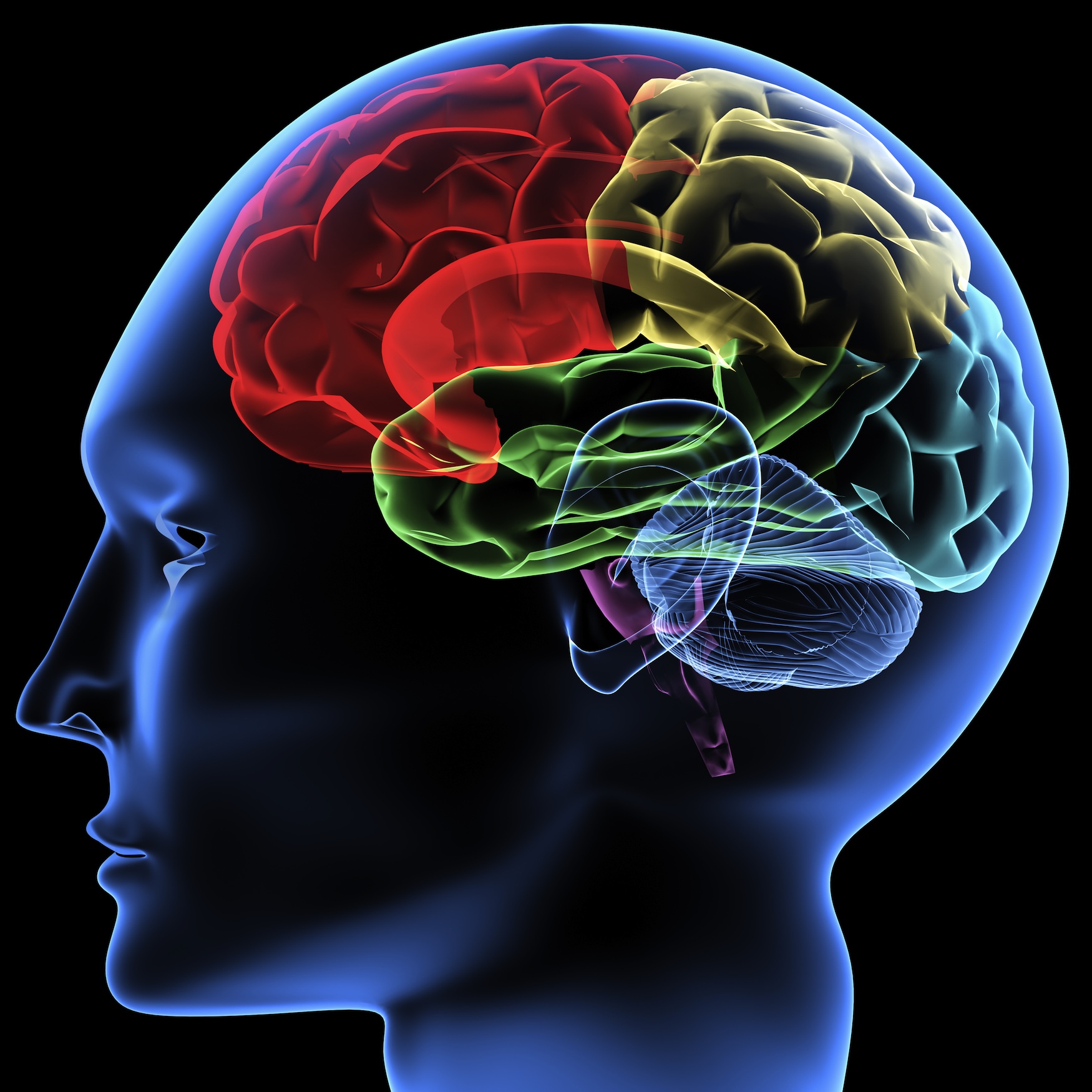
Cognitive Science The Center for Brains, Minds & Machines
Lectures And Readings Will Survey Research From Artificial Intelligence, Psychology, Linguistics, Philosophy, And Neuroscience, And Will Cover Topics Such As The Nature Of Knowledge, Thinking, Remembering, Vision, Imagery, Language, And Consciousness.
Psychology, Neuroscience, Computer Science, Linguistics, And Philosophy.
It Is A Flexible, Interdisciplinary Program For Students Who Plan To Pursue Technical Or Professional Careers In Areas Such As Intelligent Information Processing, Artificial Intelligence,.
Designed Around Apaaccredited Universitydesigned To Fit Your Lifedistinguished Faculty
Related Post: