
Course Of Performance Contract Law
Course Of Performance Contract Law - (a) a course of performance is a sequence of conduct between the parties to a particular. (1) the agreement of the parties with respect to the transaction. (a) a course of performance is a sequence of conduct between the parties to a particular transaction that exists if: The ucc defines course of dealing in its general provisions (u.c.c. A relational view of contracting potentially has many potential implications for the law of contract generally, though macneil did not specify in great detail what these should be,. (1) where the contract for sale involves repeated occasions for performance by either party with knowledge of the nature of the. Unilateral contracts—acceptance by performance the traditional unilateral contract is one in which the offeror requests performance rather than a promise. (a) parties are only required by law to act in good faith in the performance and execution of an existing contract. Course of performance is about how parties act under a specific contract, while course of dealing refers to how they have acted in previous contracts with each other. The term applies, for example, to the laws governing contracts for the sale of goods, negotiable instruments, and. (a) a course of performance is a sequence of conduct between the parties to a particular transaction that exists if: The term course of performance is defined in the uniform commercial code as follows: Unilateral contracts—acceptance by performance the traditional unilateral contract is one in which the offeror requests performance rather than a promise. Specific performance constitutes an equitable remedy in contract law, compelling a party to fulfill their contractual obligations as originally agreed. The term applies, for example, to the laws governing contracts for the sale of goods, negotiable instruments, and. The phrase ‘course of performance’ refers to the way the parties have acted in performance of the particular contract in question. The intent of the parties in regard to the meaning of the agreement. Understanding the nuances between course of dealing and course of performance is vital for those involved in contract law. Dedicated supportover 22 years in businesssave legal feesguided walkthrough Course of performance is about how parties act under a specific contract, while course of dealing refers to how they have acted in previous contracts with each other. Course of performance is about how parties act under a specific contract, while course of dealing refers to how they have acted in previous contracts with each other. Learn anywhere, anytimeaccess to instructorsimprove gradesover 30 million users Understanding the nuances between course of dealing and course of performance is vital for those involved in contract law. These concepts help interpret. (a) a course of performance is a sequence of conduct between the parties to a particular transaction that exists if: The term applies, for example, to the laws governing contracts for the sale of goods, negotiable instruments, and. Course of performance refers to the systematic and uniform conduct in which parties engage after they enter into a contract. Specific performance. Multiple similar contracts because the same parties. It is the systematic and uniform conduct in which parties. The intent of the parties in regard to the meaning of the agreement. Dedicated supportover 22 years in businesssave legal feesguided walkthrough (a) a course of performance is a sequence of conduct between the parties to a particular. (a) a course of performance is a sequence of conduct between the parties to a particular. The transaction involves multiple occasions for performance. Course of performance refers to the systematic and uniform conduct in which parties engage after they enter into a contract. Unilateral contracts—acceptance by performance the traditional unilateral contract is one in which the offeror requests performance rather. (1) the agreement of the parties with respect to the transaction. Evidence of the conduct of parties concerning the execution of obligations under a contract requiring more than one performance that is used for the purpose of interpreting the contract's. Learn anywhere, anytimeaccess to instructorsimprove gradesover 30 million users Under the ucc, courts may consider course of performance of the. Evidence of the conduct of parties concerning the execution of obligations under a contract requiring more than one performance that is used for the purpose of interpreting the contract's. The intent of the parties in regard to the meaning of the agreement. Under the ucc, courts may consider course of performance of the parties in order to determine, for example,. Unilateral contracts—acceptance by performance the traditional unilateral contract is one in which the offeror requests performance rather than a promise. The phrase ‘course of performance’ refers to the way the parties have acted in performance of the particular contract in question. Specific performance constitutes an equitable remedy in contract law, compelling a party to fulfill their contractual obligations as originally. (a) a course of performance is a sequence of conduct between the parties to a particular. Multiple similar contracts because the same parties. Course of performance is about how parties act under a specific contract, while course of dealing refers to how they have acted in previous contracts with each other. Under the ucc, courts may consider course of performance. Unilateral contracts—acceptance by performance the traditional unilateral contract is one in which the offeror requests performance rather than a promise. Course of performance refers to a sequence of conduct between two parties with respect to a particular transaction. The term course of performance is defined in the uniform commercial code as follows: Evidence of the conduct of parties concerning the. Specific performance constitutes an equitable remedy in contract law, compelling a party to fulfill their contractual obligations as originally agreed. Unilateral contracts—acceptance by performance the traditional unilateral contract is one in which the offeror requests performance rather than a promise. Evidence of the conduct of parties concerning the execution of obligations under a contract requiring more than one performance that. (a) a course of performance is a sequence of conduct between the parties to a particular. These concepts help interpret agreements and clarify. (1) where the contract for sale involves repeated occasions for performance by either party with knowledge of the nature of the. Course of performance refers to a sequence of conduct between two parties with respect to a particular transaction. A relational view of contracting potentially has many potential implications for the law of contract generally, though macneil did not specify in great detail what these should be,. Course of performance or practical construction. The intent of the parties in regard to the meaning of the agreement. Learn anywhere, anytimeaccess to instructorsimprove gradesover 30 million users Unilateral contracts—acceptance by performance the traditional unilateral contract is one in which the offeror requests performance rather than a promise. Course of performance is about how parties act under a specific contract, while course of dealing refers to how they have acted in previous contracts with each other. The term course of performance is defined in the uniform commercial code as follows: Multiple similar contracts because the same parties. Course of performance refers to the systematic and uniform conduct in which parties engage after they enter into a contract. Dedicated supportover 22 years in businesssave legal feesguided walkthrough (a) a course of performance is a sequence of conduct between the parties to a particular transaction that exists if: (1) the agreement of the parties with respect to the transaction.Performance of Contract.ppt Business Law Contract Law
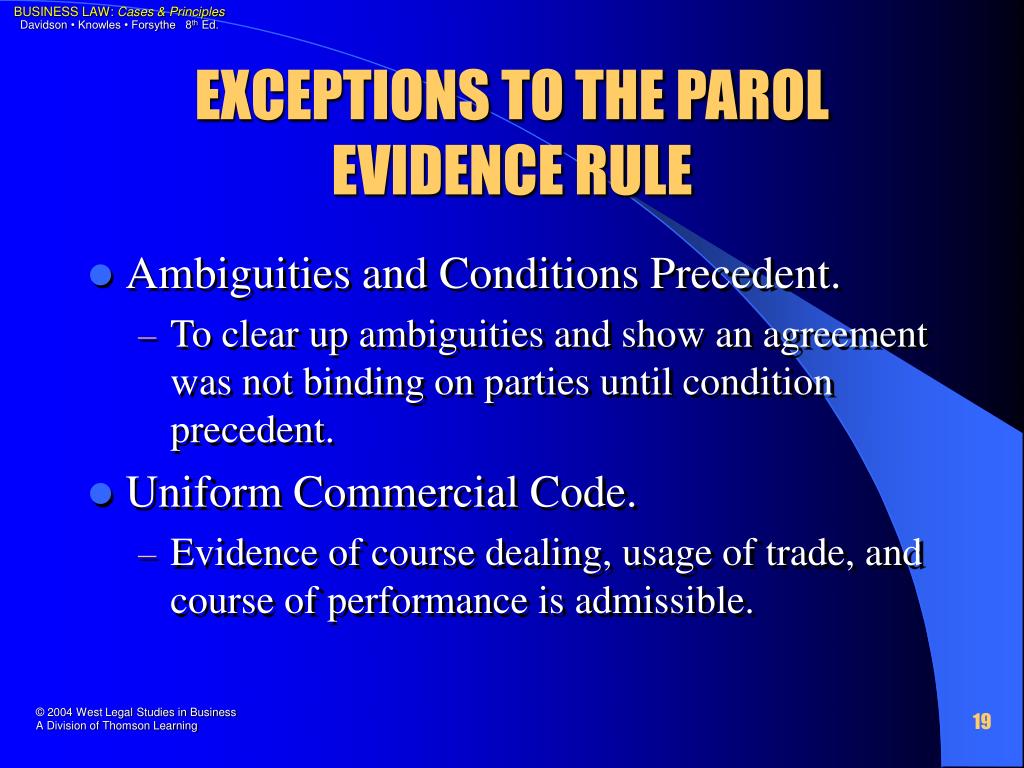
PPT CHAPTER 13 LEGALITY OF SUBJECT MATTER AND PROPER FORM OF

Performance of contract Legal Environment of Business Business La…
Performance Contract Law Download Free PDF Consideration

PERFORMANCE OF CONTRACT The LawGist

Performance of Contract
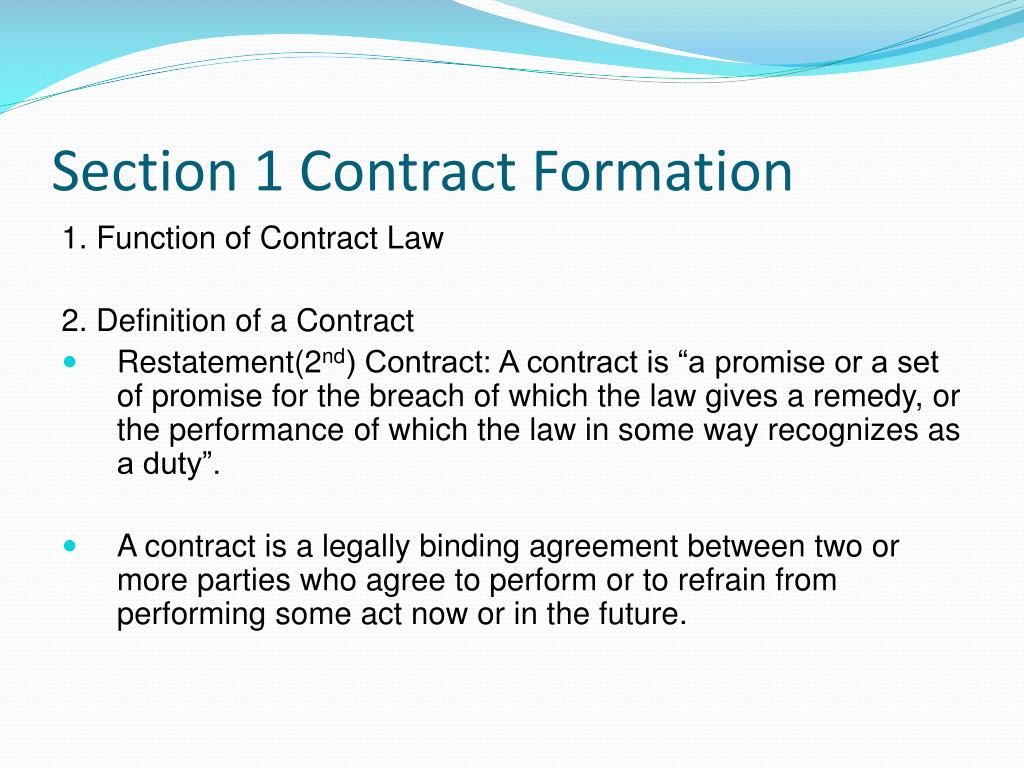
PPT Chapter 2 Contract Law PowerPoint Presentation, free download
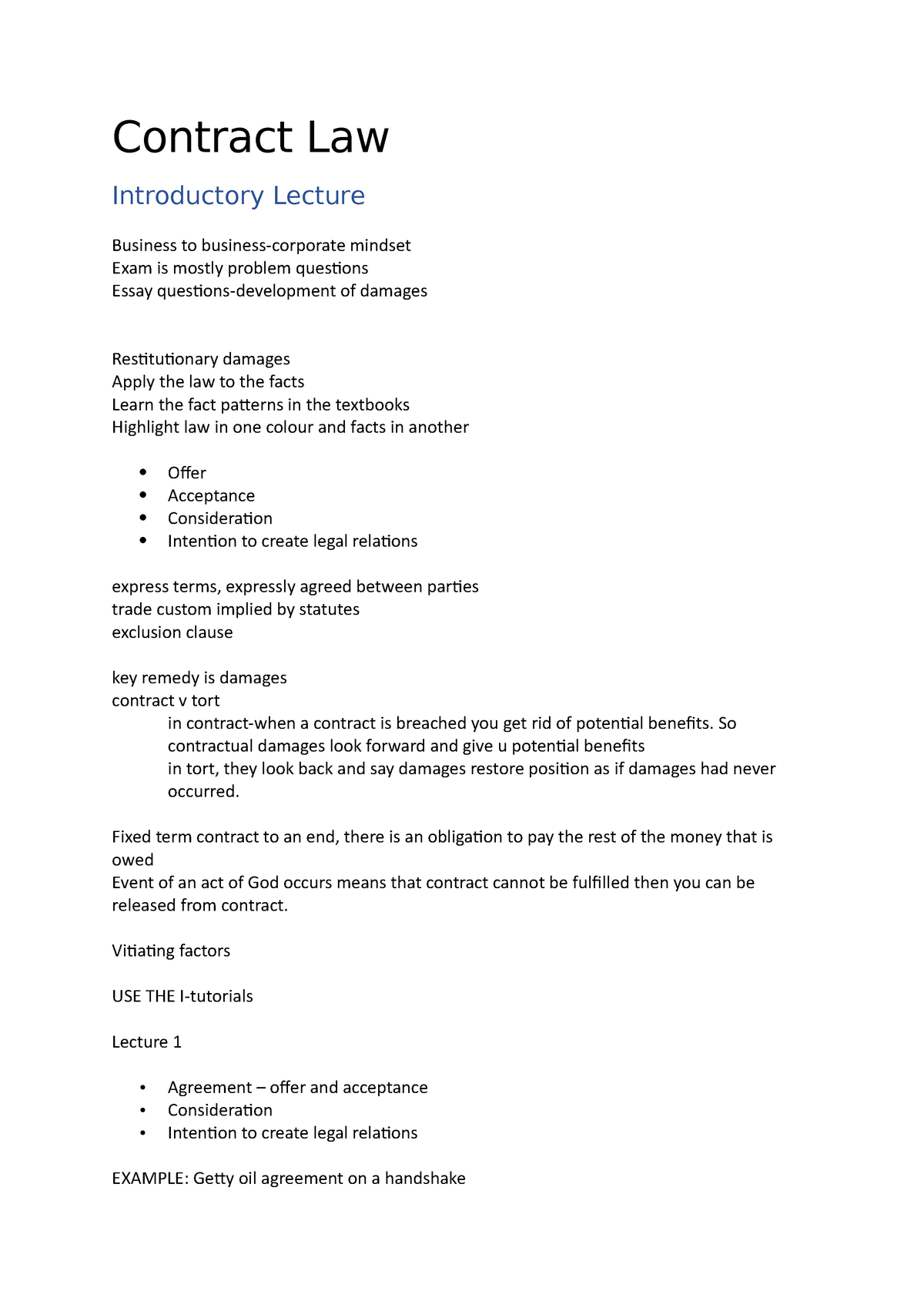
Contract LAW notes Contract Law Introductory Lecture Business to
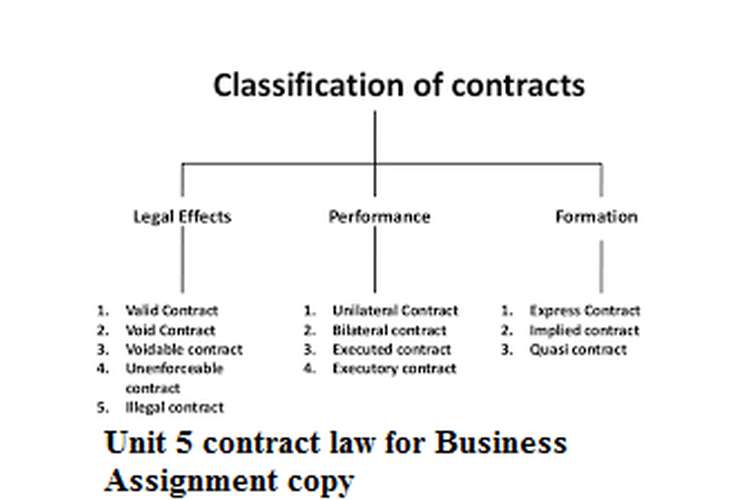
Unit 5 contract law for Business Assignment copy Locus Assignment

Contract Law Specific Performance CONTRACT LAW REMEDIES Specific
Specific Performance Constitutes An Equitable Remedy In Contract Law, Compelling A Party To Fulfill Their Contractual Obligations As Originally Agreed.
(A) A Course Of Performance Is A Sequence Of Conduct Between The Parties To A Particular Transaction That Exists If:
Understanding The Nuances Between Course Of Dealing And Course Of Performance Is Vital For Those Involved In Contract Law.
Evidence Of The Conduct Of Parties Concerning The Execution Of Obligations Under A Contract Requiring More Than One Performance That Is Used For The Purpose Of Interpreting The Contract's.
Related Post:

