
How To Find True Course On Foreflight
How To Find True Course On Foreflight - The aircraft's course over the ground relative to true north. To answer your other question, forecast winds. When you do so, under the crs (course) in. You can use a e6b or similar flight computer and forecast winds aloft to correct your true course to determine a true heading. It gives you the true course just by aligning the center of the transparent protractor with the waypoint on the foreflight map and you can rotate it by an exact # of degrees for magnetic. You're supposed to be allowed a plotter and even a digital flight computer as long as the memory can be cleared. As long as you know ff gives magnetic course, and you have to take out the variation from the nearest isogonic line to. You should demand a refund from. The aircraft's course over the ground relative to true north. You can calculate true course using true heading, tas, wind direction/speed. You can calculate true course using true heading, tas, wind direction/speed. The true course will be displayed alongside the magnetic course for each leg of your flight plan. The true course is the direction of travel over the ground, taking into account the effects of wind and drift. You're supposed to be allowed a plotter and even a digital flight computer as long as the memory can be cleared. True course is measured with a navigation plotter and a sectional map. You should demand a refund from. In canada (north of 63.5°n): True course is measured with a navigation plotter and a sectional map. You draw an x below instead of above the centre. Click on the navlog tab (next to edit) and see crs (in this example 9 degrees). The aircraft's course over the ground relative to true north. You can calculate true course using true heading, tas, wind direction/speed. True course is measured with a navigation plotter and a sectional map. To answer your other question, forecast winds. Open your flight plan in foreflight. It gives you the true course just by aligning the center of the transparent protractor with the waypoint on the foreflight map and you can rotate it by an exact # of degrees for magnetic. For a simple example, let's plot a course between two navaids, from tnv to idu (the v212 airway) in foreflight's navlog view. As long as. True course is measured with a navigation plotter and a sectional map. You're supposed to be allowed a plotter and even a digital flight computer as long as the memory can be cleared. You should demand a refund from. For a simple example, let's plot a course between two navaids, from tnv to idu (the v212 airway) in foreflight's navlog. To answer your other question, forecast winds. You can calculate true course using true heading, tas, wind direction/speed. It gives you the true course just by aligning the center of the transparent protractor with the waypoint on the foreflight map and you can rotate it by an exact # of degrees for magnetic. The true course is the direction of. You can calculate true course using true heading, tas, wind direction/speed. To answer your other question, forecast winds. True course is measured with a navigation plotter and a sectional map. True course is measured with a navigation plotter and a sectional map. The aircraft's course over the ground relative to true north. To view course (crs) instead of heading (hdg) in the navlog on the maps page, set the estimated time of departure (etd) more than seven days in the future following these. You can calculate true course using true heading, tas, wind direction/speed. The true course from ocn to kelps (first point on v23) is 316. True course corrected for wind.. The declination of the ocn vor is 15e (determined in 1965.), making for a mag course of 301, hence the use. You can calculate true course using true heading, tas, wind direction/speed. To answer your other question, forecast winds. As long as you know ff gives magnetic course, and you have to take out the variation from the nearest isogonic. Then you set true course on true index and set the tas in. To answer your other question, forecast winds. The true course is the direction of travel over the ground, taking into account the effects of wind and drift. You can use a e6b or similar flight computer and forecast winds aloft to correct your true course to determine. True course corrected for wind. The true course from ocn to kelps (first point on v23) is 316. True course is measured with a navigation plotter and a sectional map. The true course will be displayed alongside the magnetic course for each leg of your flight plan. True course corrected for wind. True course is measured with a navigation plotter and a sectional map. The true course will be displayed alongside the magnetic course for each leg of your flight plan. The true course from ocn to kelps (first point on v23) is 316. You should demand a refund from. True course corrected for wind. The declination of the ocn vor is 15e (determined in 1965.), making for a mag course of 301, hence the use. True course is measured with a navigation plotter and a sectional map. To find the true course on foreflight, you will need to know the. In canada (north of 63.5°n): You're supposed to be allowed a plotter and even a digital flight computer as long as the memory can be cleared. When you do so, under the crs (course) in. Then you set true course on true index and set the tas in. It gives you the true course just by aligning the center of the transparent protractor with the waypoint on the foreflight map and you can rotate it by an exact # of degrees for magnetic. True course is measured with a navigation plotter and a sectional map. You draw an x below instead of above the centre. This is the same number you would get if you measured the true course on a paper sectional. The beauty of foreflight is. Open your flight plan in foreflight. True course corrected for wind. The true course from ocn to kelps (first point on v23) is 316. The true course is the direction of travel over the ground, taking into account the effects of wind and drift.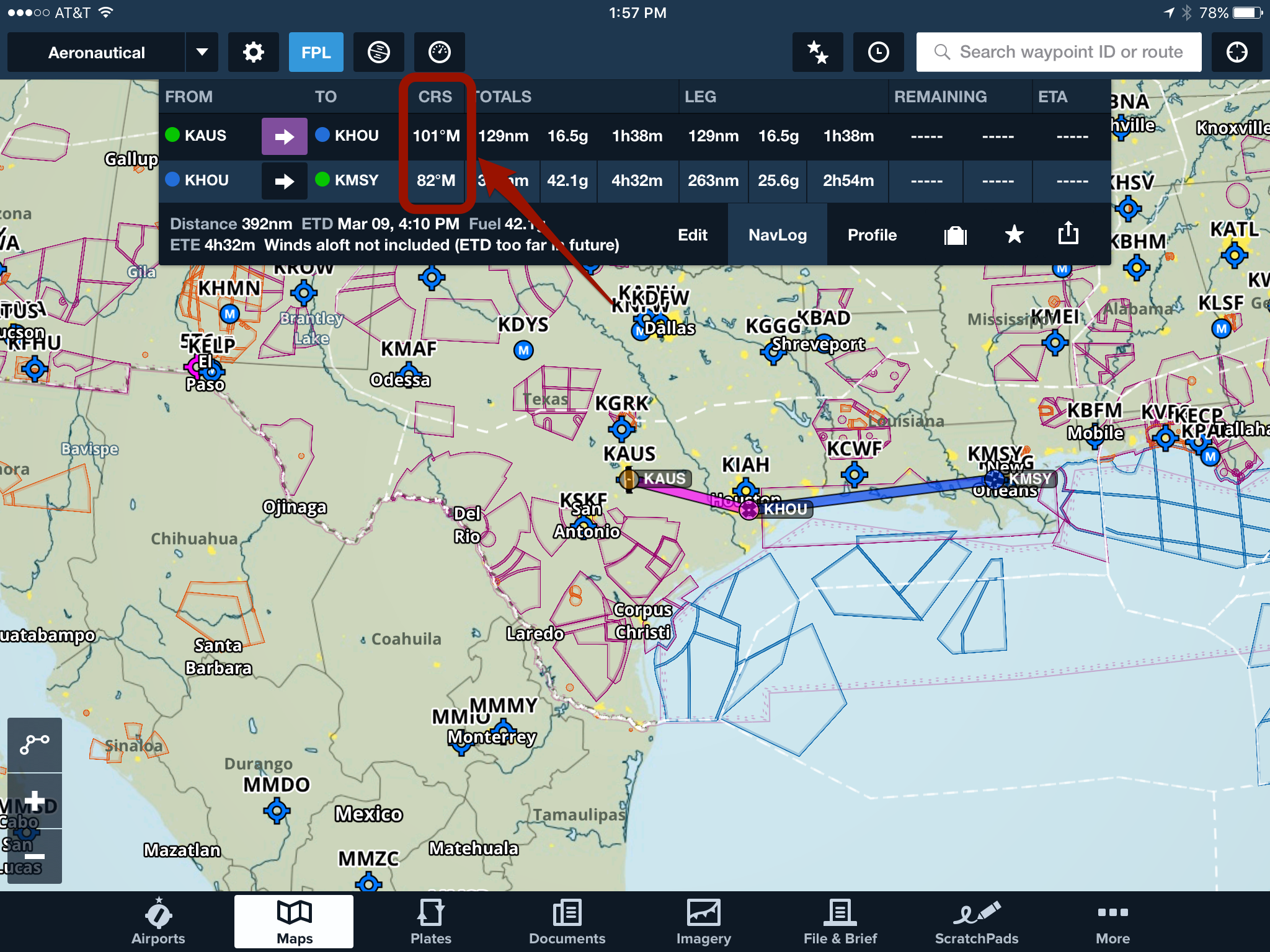
How can I view course (CRS) rather than heading (HDG) in the NavLog

5 quick ForeFlight tips iPad Pilot News

10 Coolest ForeFlight Features Boldmethod

ForeFlight VFR Navigation Log Holladay Aviation
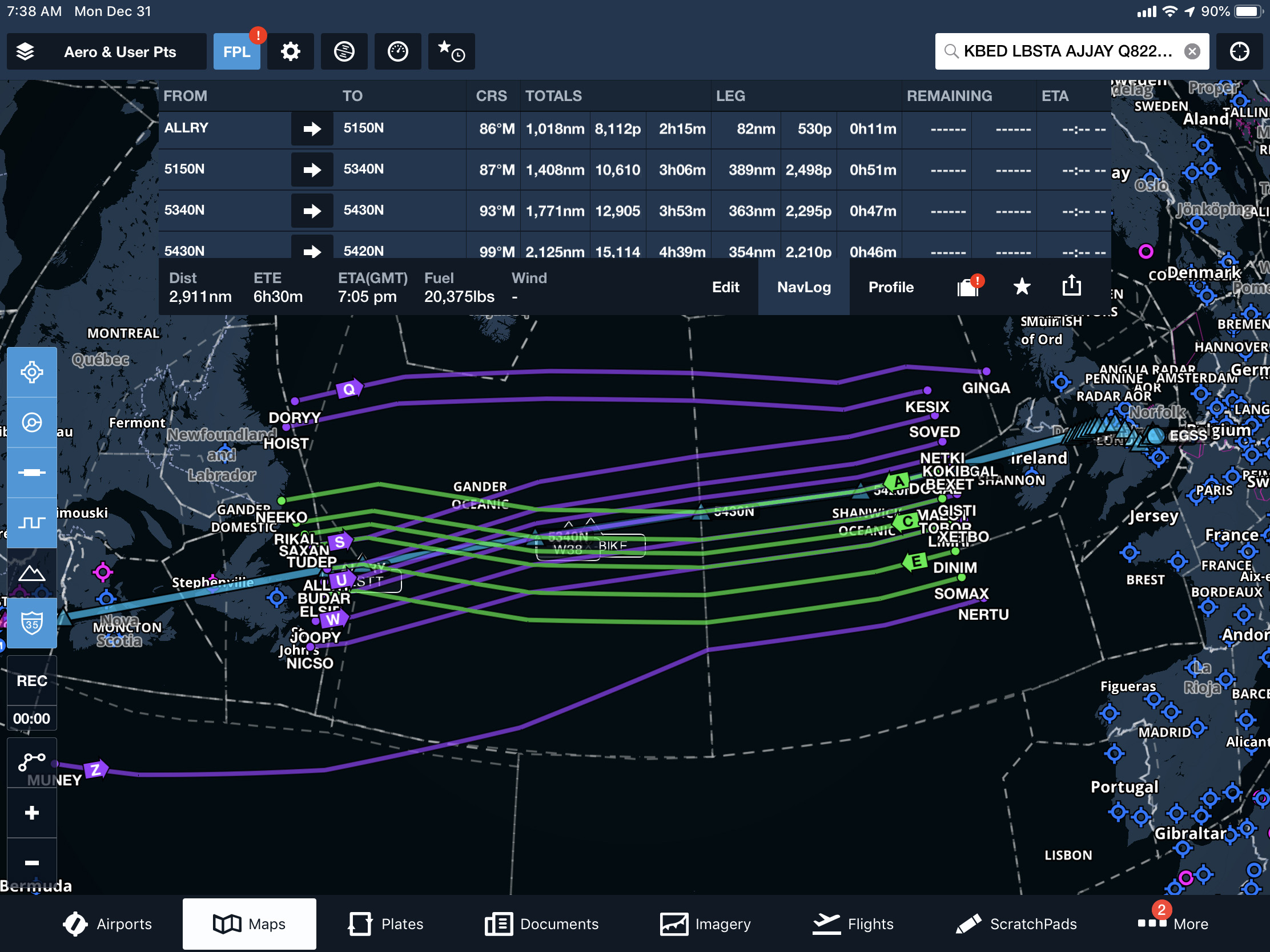
How to Plot, Paperless Methods

ForeFlight VFR Navigation Log Holladay Aviation

ForeFlight ForeFlight Mobile Electronic Flight Bag
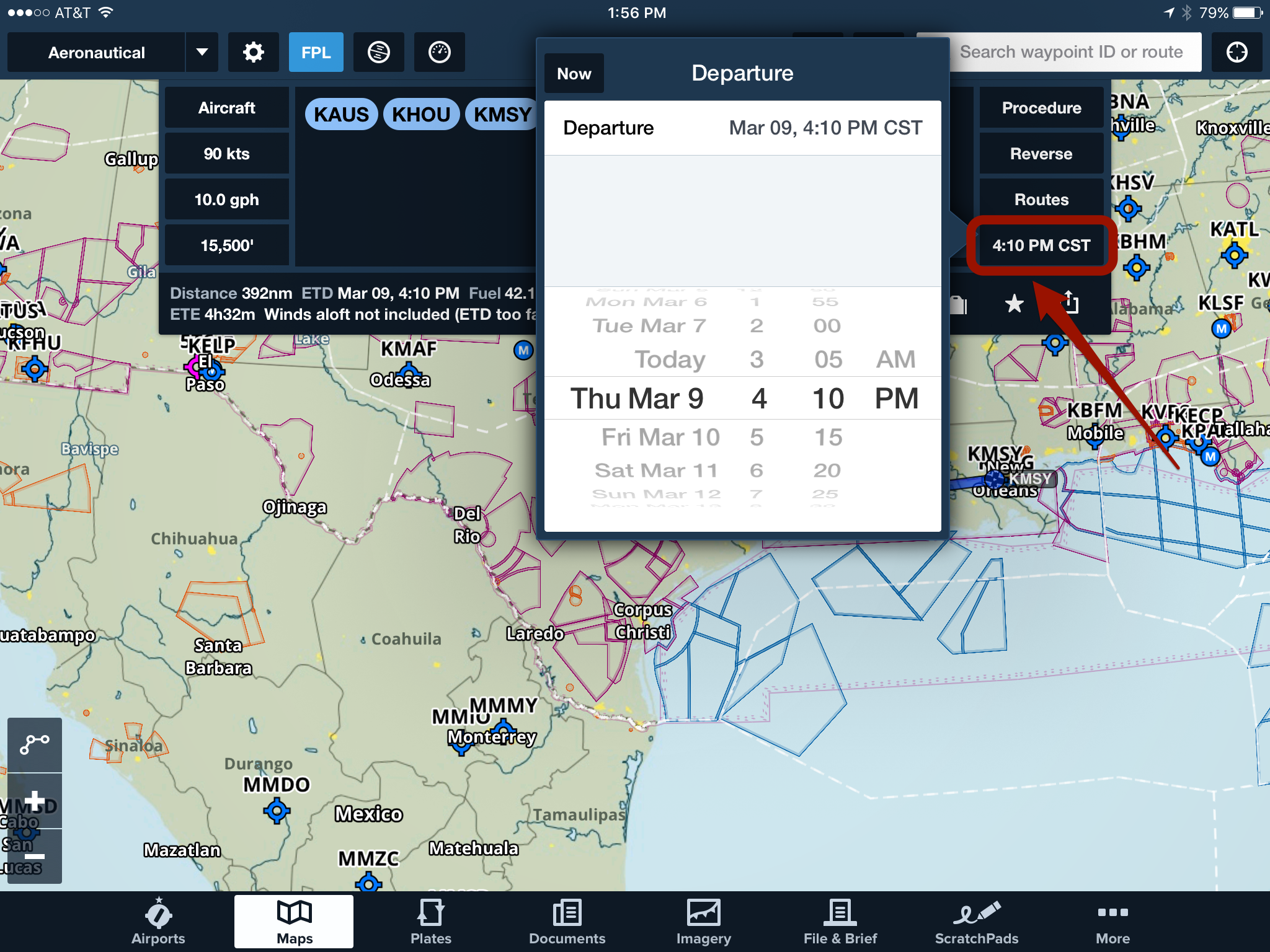
How can I view course (CRS) rather than heading (HDG) in the NavLog

How to Find Your TRUE Climb Gradient ForeFlight Tips YouTube

ForeFlight VFR Navigation Log Holladay Aviation
Big Thing Our Dpe Liked To Ask Is How To Find True Course On Foreflight.
To View Course (Crs) Instead Of Heading (Hdg) In The Navlog On The Maps Page, Set The Estimated Time Of Departure (Etd) More Than Seven Days In The Future Following These.
The Aircraft's Course Over The Ground Relative To True North.
Click On The Navlog Tab (Next To Edit) And See Crs (In This Example 9 Degrees).
Related Post: