
Respiratory Crash Course
Respiratory Crash Course - We talk about most of the major features, parts, and functions of the various parts of this system. The paired respiratory organ of fishes and some amphibians, by which oxygen is extracted from water flowing over surfaces within or attached to the walls of the pharynx. We'll dive into partial pressure. What are the parts of the respiratory system? This lesson is a comprehensive review of the respiratory system anatomy. Today we're going to talk about how it works, starting with the nameless evolutionary ancestor that we inherited this from, continuing to the mechanics of both simple diffusion and bulk flow, as. Whether you are revising for basic science exams or are on the wards looking for clinical information with a pathophysiological focus, this new edition is for you! What is the function of the nose in breathing? Introduces the respiratory system and the means used by our body to intake oxygen and export carbon dioxide. In part 2 of our look at your respiratory system, hank explains how your blood cells exchange oxygen and co2 to maintain homeostasis. This lesson is a comprehensive review of the respiratory system anatomy. We’ll dive into partial pressure gradients, and how. We'll dive into partial pressure. The movement of a fluid due to a difference in pressure between two locations. Introduces the respiratory system and the means used by our body to intake oxygen and export carbon dioxide. Today we're going to talk about how it works, starting with the nameless evolutionary ancestor that we inherited this from, and continuing to the mechanics of both. Completely revised throughout, the new edition of crash course is perfectly tailored to meet your needs by providing everything you need to know in one place. Whether you are revising for basic science exams or are on the wards looking for clinical information with a pathophysiological focus, this new edition is for you! The paired respiratory organ of fishes and some amphibians, by which oxygen is extracted from water flowing over surfaces within or attached to the walls of the pharynx. Today we’re going to talk about how it works, starting with the nameless evolutionary ancestor that we inherited this from, and continuing to the mechanics of both simple diffusion and bulk. Study with quizlet and memorize flashcards containing terms like conducting zone, what purpose does the nose hold?, what do the rings on the trachea do? Today we're going to talk about how it works, starting with the nameless evolutionary ancestor that we inherited this from, and continuing to the mechanics of both. We talk about most of the major features,. Today we're going to talk about how it works, starting with the nameless evolutionary ancestor that we inherited this from, continuing to the mechanics of both simple diffusion and bulk flow, as. This lesson is a comprehensive review of the respiratory system anatomy. Today we're going to talk about how it works, starting with the nameless evolutionary ancestor that we. The movement of a fluid due to a difference in pressure between two locations. Study with quizlet and memorize flashcards containing terms like 1. About _____________________________________ years ago, a fishy looking thing became the. Today we're going to talk about how it works, starting with the nameless evolutionary ancestor that we inherited this from, and continuing to the mechanics of. We'll dive into partial pressure. This lesson is a comprehensive review of the respiratory system anatomy. In part 2 of our look at your respiratory system hank explains how your blood cells exchange oxygen and co2 to maintain homeostasis. We talk about most of the major features, parts, and functions of the various parts of this system. Today we're going. The paired respiratory organ of fishes and some amphibians, by which oxygen is extracted from water flowing over surfaces within or attached to the walls of the pharynx. In part 2 of our look at your respiratory system, hank explains how your blood cells exchange oxygen and co2 to maintain homeostasis. Today we're going to talk about how it works,. We talk about most of the major features, parts, and functions of the various parts of this system. Today we're going to talk about how it works, starting with the nameless evolutionary ancestor that we inherited this from, continuing to the mechanics of both simple diffusion and bulk flow, as. Study with quizlet and memorize flashcards containing terms like diffusion,. What are the parts of the respiratory system? The movement of a fluid due to a difference in pressure between two locations. In part 2 of our look at your respiratory system, hank explains how your blood cells exchange oxygen and co2 to maintain homeostasis. Today we're going to talk about how it works, starting with the nameless evolutionary ancestor. Study with quizlet and memorize flashcards containing terms like 1. Today we're going to talk about how it works, starting with the nameless evolutionary ancestor that we inherited this from, continuing to the mechanics of both simple diffusion and bulk flow, as. Introduces the respiratory system and the means used by our body to intake oxygen and export carbon dioxide.. Completely revised throughout, the new edition of crash course is perfectly tailored to meet your needs by providing everything you need to know in one place. The paired respiratory organ of fishes and some amphibians, by which oxygen is extracted from water flowing over surfaces within or attached to the walls of the pharynx. The movement of a fluid due. We’ll dive into partial pressure gradients, and how. The movement of a fluid due to a difference in pressure between two locations. In part 2 of our look at your respiratory system hank explains how your blood cells exchange oxygen and co2 to maintain homeostasis. What is the function of the nose in breathing? In part 2 of our look. The movement of a fluid due to a difference in pressure between two locations. Today we’re going to talk about how it works, starting with the nameless evolutionary ancestor that we inherited this from, and continuing to the mechanics of both simple diffusion and bulk. Introduces the respiratory system and the means used by our body to intake oxygen and export carbon dioxide. Whether you are revising for basic science exams or are on the wards looking for clinical information with a pathophysiological focus, this new edition is for you! About _____________________________________ years ago, a fishy looking thing became the. What are the parts of the respiratory system? Today we're going to talk about how it works, starting with the nameless evolutionary ancestor that we inherited this from, and continuing to the mechanics of both. Study with quizlet and memorize flashcards containing terms like diffusion, respiratory system, distance and more. We talk about most of the major features, parts, and functions of the various parts of this system. We'll dive into partial pressure. Today we're going to talk about how it works, starting with the nameless evolutionary ancestor that we inherited this from, continuing to the mechanics of both simple diffusion and bulk flow, as. We’ll dive into partial pressure gradients, and how. We'll dive into partial pressure gradients, and how. In part 2 of our look at your respiratory system hank explains how your blood cells exchange oxygen and co2 to maintain homeostasis. The paired respiratory organ of fishes and some amphibians, by which oxygen is extracted from water flowing over surfaces within or attached to the walls of the pharynx. This lesson is a comprehensive review of the respiratory system anatomy.
Crash Course Respiratory System Updated Print + eBook edition by

Gross Anatomy The Respiratory System MCAT Crash Course YouTube

Crash Course Respiratory Medicine, 5th Edition Winco Medical Book Store
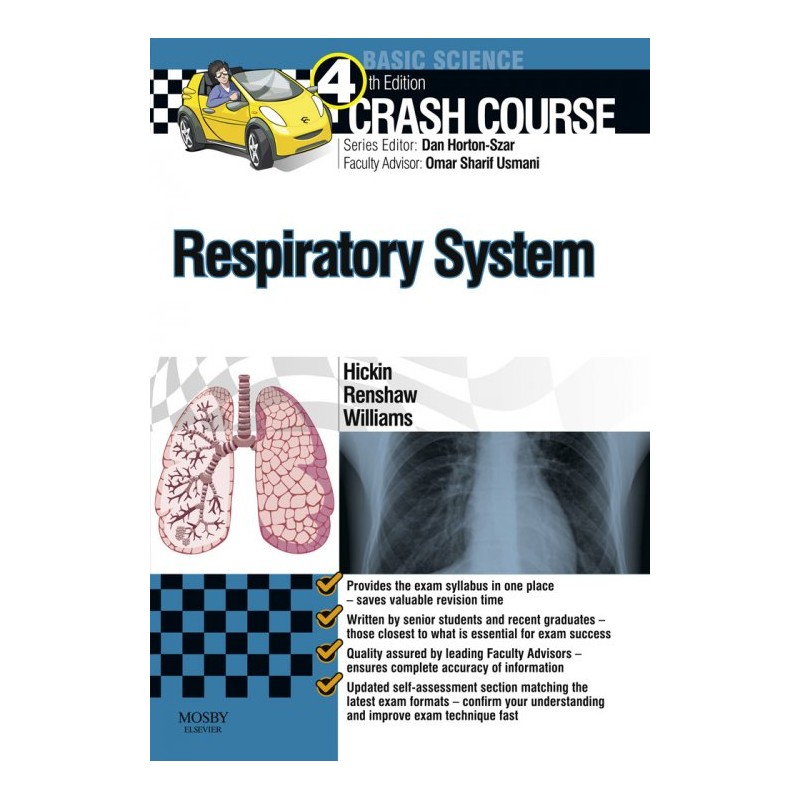
Crash Course Respiratory System Updated Edition (ebook)

Crash Course Respiratory System Updated Print + eBook edition

Crash Course Respiratory Medicine 5th edition Hannah Lawrence ISBN

Crash Course Respiratory System (4th Edition) For A Comprehensive
Grab a copy of the Lung Capacity Lab. Get a ruler. Get out your paper

SOLUTION Respiratory system part 2 crash course anatomy physiology

Crash Course Respiratory Medicine, 5th Edition
Study With Quizlet And Memorize Flashcards Containing Terms Like Conducting Zone, What Purpose Does The Nose Hold?, What Do The Rings On The Trachea Do?
What Is The Function Of The Nose In Breathing?
In Part 2 Of Our Look At Your Respiratory System, Hank Explains How Your Blood Cells Exchange Oxygen And Co2 To Maintain Homeostasis.
Study With Quizlet And Memorize Flashcards Containing Terms Like 1.
Related Post: