
Teardrop Course Reversal
Teardrop Course Reversal - As charted, teardrop course reversals lack pilot guidance on how to fly the reversal. Its purpose is to permit an aircraft to reverse direction and lose considerable altitude within reasonably limited airspace. Find out the rules, tips and examples for different types of course reversals. Some of the options are the 45 degree procedure turn, the racetrack pattern, the teardrop procedure turn, or the 80 degree ↔ 260 degree course reversal. The faa publishes extensive pilot guidance on other course reversals; The idea of a reversal is to turn the aircraft around by 180 degrees therefore lining the aircraft up with the runway. The faa publishes extensive pilot guidance on other course reversals; Reverse the flow of the river to the mississippi, toward the city’s longtime rival, st. However, there is no substantial guidance on. Learn how to perform course reversals, including procedure turns and teardrop turns, when flying instrument approaches. Reverse the flow of the river to the mississippi, toward the city’s longtime rival, st. This will line the aircraft up for final, and can be accomplished in three. Course reversals are handled in the same way as holding. Find out the rules, tips and examples for different types of course reversals. The idea of a reversal is to turn the aircraft around by 180 degrees therefore lining the aircraft up with the runway. The faa publishes extensive pilot guidance on other course reversals; Unlike hilpt or teardrop course reversals, pilots are given discretion in how they fly a traditional procedure turn. Last year, the st andrews trust revived the reverse routing for three days in april, giving the public a crack at what was essentially a “lost” version of the old course. However, there is no substantial guidance on. In 1871, during a period of particularly low water, the city pumped water from the chicago river into the illinois and michigan canal to maintain its level, which led chicago’s. Find out the rules, tips and examples for different types of course reversals. Reverse the flow of the river to the mississippi, toward the city’s longtime rival, st. Its purpose is to permit an aircraft to reverse direction and lose considerable altitude within reasonably limited airspace. Course reversals are handled in the same way as holding. Learn how to perform. In 1871, during a period of particularly low water, the city pumped water from the chicago river into the illinois and michigan canal to maintain its level, which led chicago’s. However, there is no substantial guidance on. Where no fix is available to mark the beginning of. This will line the aircraft up for final, and can be accomplished in. You can use any type of course reversal you deem appropriate, including a teardrop, unless the approach specifies otherwise (which i haven't found to be very common). Last year, the st andrews trust revived the reverse routing for three days in april, giving the public a crack at what was essentially a “lost” version of the old course. In a. Learn how to perform course reversals, including procedure turns and teardrop turns, when flying instrument approaches. Its purpose is to permit an aircraft to reverse direction and lose considerable altitude within reasonably limited airspace. It took a crafty engineer named ellis chesbrough to come up with a startling plan: Last year, the st andrews trust revived the reverse routing for. In a herculean effort to save the city from the ravages of typhoid, cholera, and other waterborne illnesses, engineer sylvester chesbrough suggested chicago reverse the direction of its river. The faa publishes extensive pilot guidance on other course reversals; The faa publishes extensive pilot guidance on other course reversals; Reverse the flow of the river to the mississippi, toward the. The 45/180 reversal is what’s depicted on government and jeppesen charts,. You can use any type of course reversal you deem appropriate, including a teardrop, unless the approach specifies otherwise (which i haven't found to be very common). Learn how to perform course reversals, including procedure turns and teardrop turns, when flying instrument approaches. However, there is no substantial guidance. The faa publishes extensive pilot guidance on other course reversals; The idea of a reversal is to turn the aircraft around by 180 degrees therefore lining the aircraft up with the runway. Some of the options are the 45 degree procedure turn, the racetrack pattern, the teardrop procedure turn, or the 80 degree ↔ 260 degree course reversal. Reverse the. You can use any type of course reversal you deem appropriate, including a teardrop, unless the approach specifies otherwise (which i haven't found to be very common). Last year, the st andrews trust revived the reverse routing for three days in april, giving the public a crack at what was essentially a “lost” version of the old course. As charted,. Find out the rules, tips and examples for different types of course reversals. In a herculean effort to save the city from the ravages of typhoid, cholera, and other waterborne illnesses, engineer sylvester chesbrough suggested chicago reverse the direction of its river. This will line the aircraft up for final, and can be accomplished in three. The 45/180 reversal is. Where no fix is available to mark the beginning of. The faa publishes extensive pilot guidance on other course reversals; Some of the options are the 45 degree procedure turn, the racetrack pattern, the teardrop procedure turn, or the 80 degree ↔ 260 degree course reversal. You can use any type of course reversal you deem appropriate, including a teardrop,. In a herculean effort to save the city from the ravages of typhoid, cholera, and other waterborne illnesses, engineer sylvester chesbrough suggested chicago reverse the direct.more. Reverse the flow of the river to the mississippi, toward the city’s longtime rival, st. You can use any type of course reversal you deem appropriate, including a teardrop, unless the approach specifies otherwise (which i haven't found to be very common). As charted, teardrop course reversals lack pilot guidance on how to fly the reversal. Course reversals are handled in the same way as holding. Its purpose is to permit an aircraft to reverse direction and lose considerable altitude within reasonably limited airspace. Some of the options are the 45 degree procedure turn, the racetrack pattern, the teardrop procedure turn, or the 80 degree ↔ 260 degree course reversal. In 1871, during a period of particularly low water, the city pumped water from the chicago river into the illinois and michigan canal to maintain its level, which led chicago’s. The faa publishes extensive pilot guidance on other course reversals; In a herculean effort to save the city from the ravages of typhoid, cholera, and other waterborne illnesses, engineer sylvester chesbrough suggested chicago reverse the direction of its river. The 45/180 reversal is what’s depicted on government and jeppesen charts,. However, there is no substantial guidance on. Unlike hilpt or teardrop course reversals, pilots are given discretion in how they fly a traditional procedure turn. Find out the rules, tips and examples for different types of course reversals. The faa publishes extensive pilot guidance on other course reversals; Where no fix is available to mark the beginning of.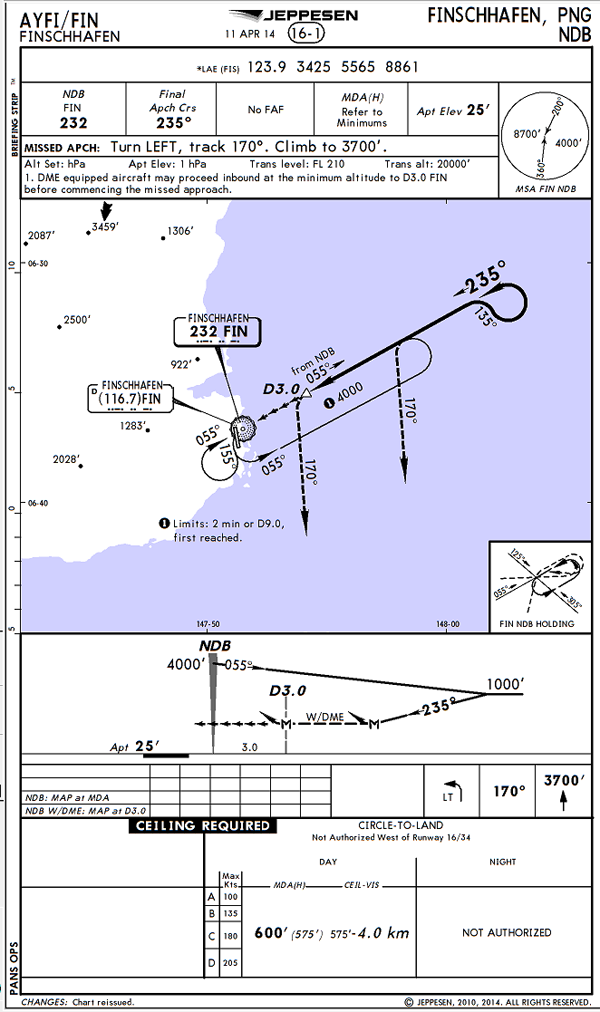
Procedure Turn, Hold in Lieu

Course Reversal
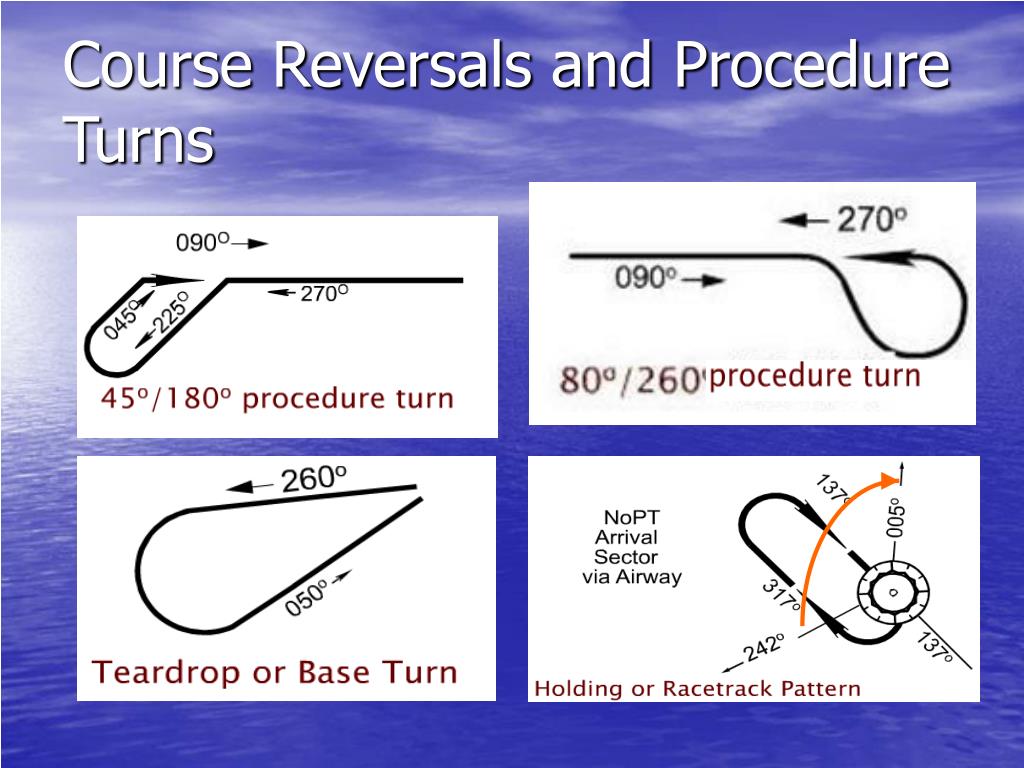
PPT Chapter 6 Approach Charts PowerPoint Presentation, free download

Episode006 Teardrop Course Reversals YouTube
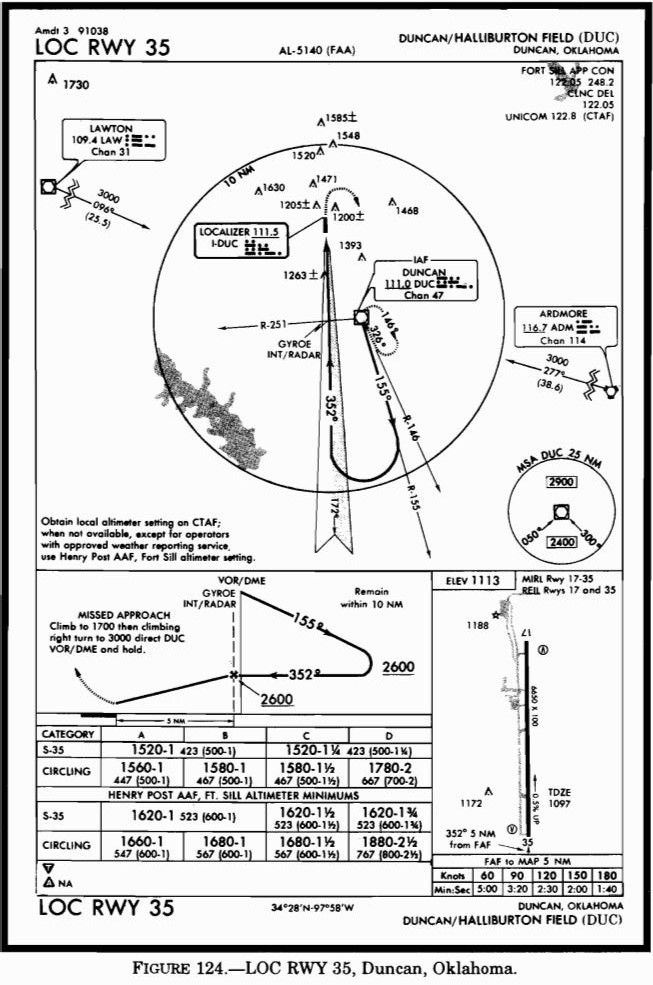
(Refer to figure 124.) What options are available concerning the
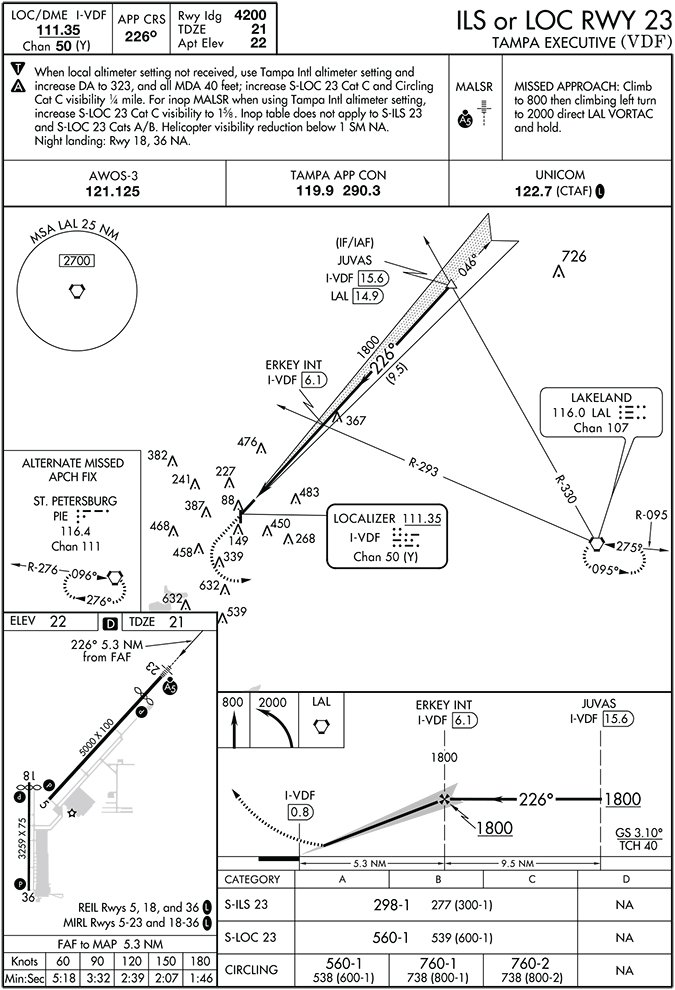
Course Reversals Aviation Safety
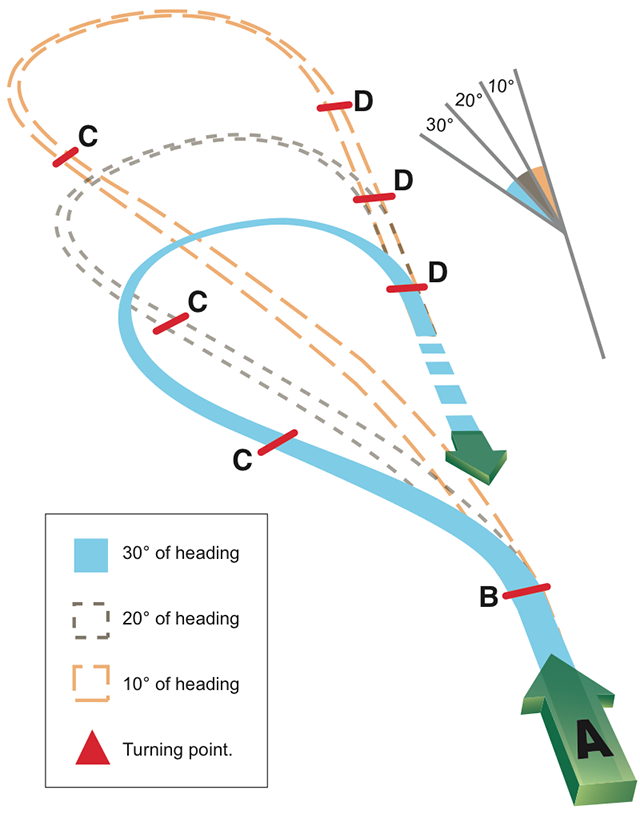
Procedure Turn, Hold in Lieu
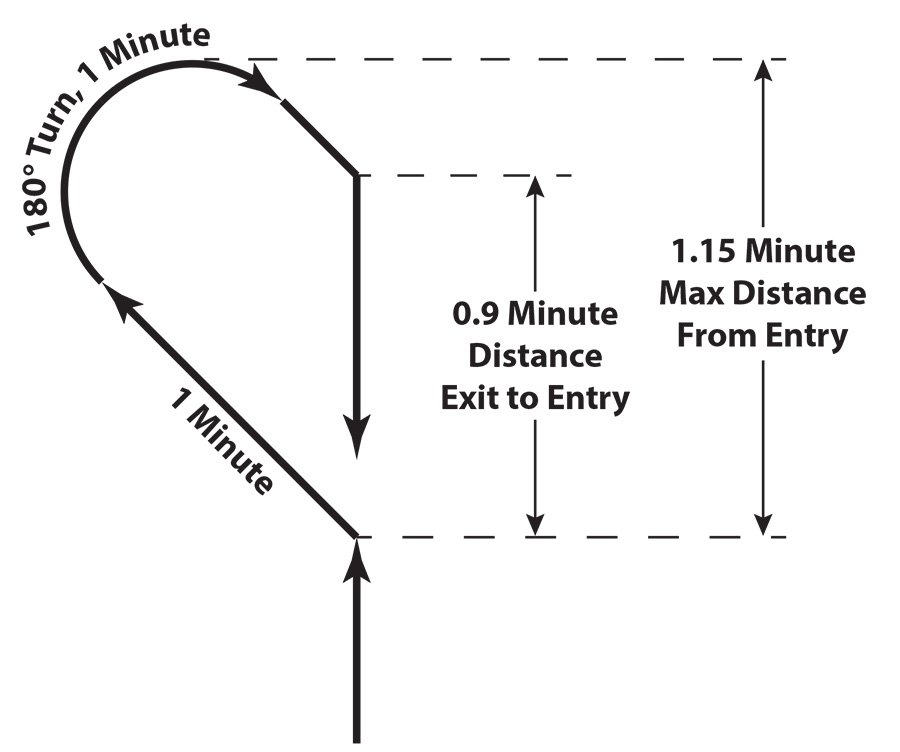
Flying Into Procedure Turns IFR Magazine
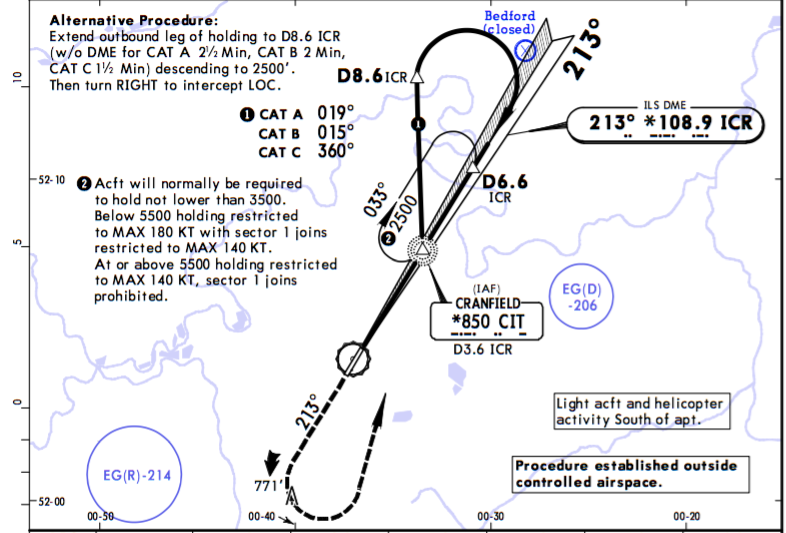
Learning & Starting Out Instrument approach alignment turn after holding
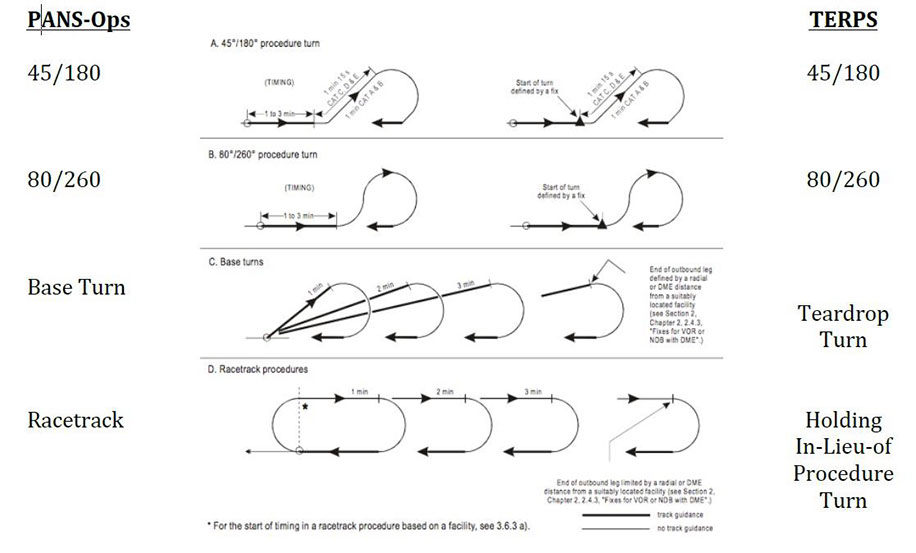
TERPS vs. Pans Ops
The Idea Of A Reversal Is To Turn The Aircraft Around By 180 Degrees Therefore Lining The Aircraft Up With The Runway.
This Will Line The Aircraft Up For Final, And Can Be Accomplished In Three.
It Took A Crafty Engineer Named Ellis Chesbrough To Come Up With A Startling Plan:
Learn How To Perform Course Reversals, Including Procedure Turns And Teardrop Turns, When Flying Instrument Approaches.
Related Post: